A Healthy Gut Today, A Healthier Tomorrow
Pregnancy and childhood are two important stages of life when maintaining a healthy gut can make a real difference. A healthy gut helps your body absorb nutrients, supports your immune system and contributes to your overall well-being.
Whether you're preparing to welcome a new baby or watching your little one grow, taking care of your gut is one of the simplest ways to support your family's health.
Common Digestive Changes During Pregnancy
Pregnancy is an exciting journey, but it also brings many changes to your body, including your digestive system.
As your baby grows, hormonal changes can slow down digestion, which is why many expectant mothers experience:
- Constipation
- Bloating
- Feeling full more easily
- Indigestion
- Heartburn or acid reflux

These changes are common during pregnancy. Looking after your gut can help support digestive comfort and overall well-being throughout your pregnancy.
Did You Know?
Some women develop high blood sugar during pregnancy, a condition known as Gestational Diabetes Mellitus (GDM).
Although blood sugar levels often return to normal after delivery, women who have had GDM are at significantly higher risk of developing Type 2 Diabetes Mellitus later in life. Research suggests that the risk may be up to 10 times higher compared with women who did not experience GDM 1.
According to the Mayo Clinic, GDM may also increase the risk of pregnancy-related complications, including high blood pressure, preeclampsia, preterm birth and delivering a larger-than-average baby 2.
Taking care of your health during pregnancy not only supports your baby's growth and development but also helps protect your own long-term health.
Meet Your Gut Microbiome
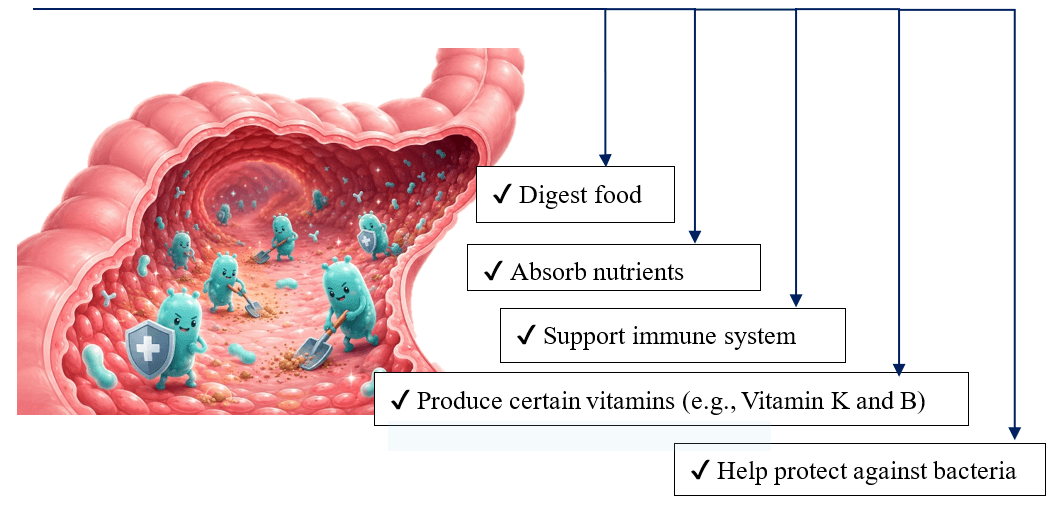
Your digestive system is home to trillions of beneficial bacteria, collectively known as the gut microbiome. These helpful bacteria play many important roles, including helping your body:
During pregnancy, hormonal, dietary and lifestyle changes may affect the balance of these beneficial bacteria. Maintaining a healthy gut helps support digestive comfort and overall well-being during pregnancy and after childbirth 3.
Choosing the Right Probiotic During Pregnancy
Probiotics are beneficial life microorganisms that, when consumed in adequate amounts, can support health. They help maintain the natural balance of bacteria in the gut, supporting healthy digestion, immune function and overall well-being 4,5.
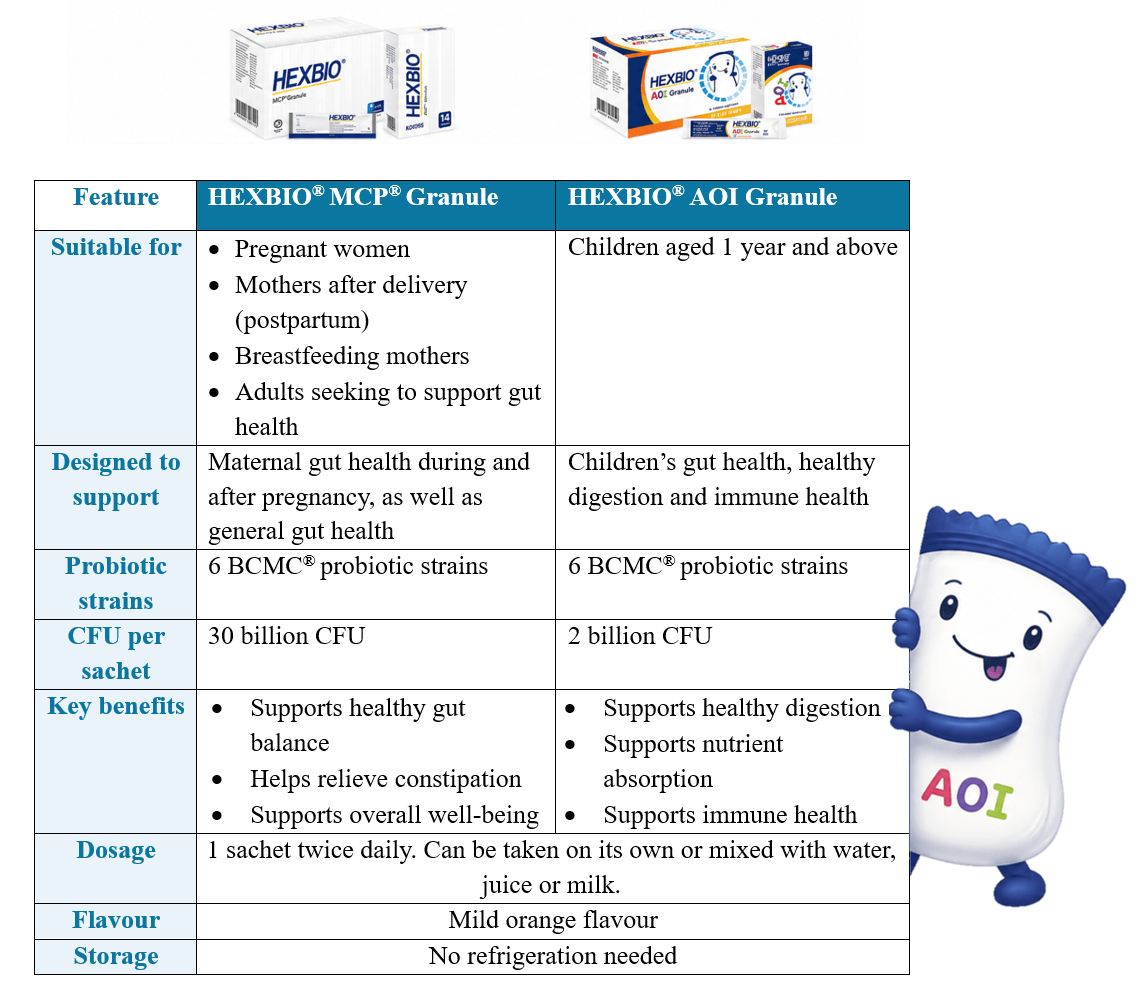
HEXBIO® contains six probiotic strains formulated with Microbial Cell Preparation (MCP®). In a clinical study involving adults with long-term constipation, participants who took HEXBIO® twice daily for seven days experienced improvements in stool frequency and stool consistency compared with those who did not take HEXBIO® 7. These findings suggest that HEXBIO® may help support digestive health as part of a healthy lifestyle.
Beyond digestive health, the gut microbiome is increasingly recognised for its role in metabolic health. In another clinical study involving women with a history of gestational diabetes mellitus (GDM), 12 weeks of HEXBIO® supplementation was associated with improvements in gut microbiota composition, as well as metabolic markers including fasting blood glucose, HbA1c, total cholesterol, triglycerides and inflammation (hs-CRP) 1. These findings suggest that maintaining a healthy gut microbiota may offer benefits beyond digestive health.
Supporting Your Child's Gut Health
Looking after your child's gut health is just as important as looking after your own. As your child grows, a healthy gut continues to play an important role in supporting digestion, immune health and healthy growth.
According to
Gleneagles Hospitals Malaysia, probiotics may help restore and maintain a healthy balance of beneficial bacteria when the natural balance of beneficial bacteria in the gut is disrupted, such as after antibiotic use
8. Parents should consult a healthcare professional before giving probiotics to premature babies or children receiving medical treatment.
Signs Your Child's Gut May Need More Care
Children may occasionally experience:
- Constipation
- Diarrhoea
- Stomach discomfort
- Feeling tired or lacking energy
- Frequent illnesses or infections
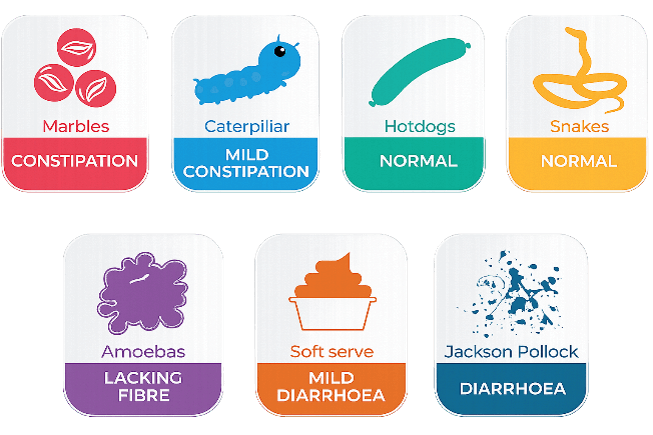
Your child’s stool can offer useful clues about how their digestive system is working. One simple way to understand your child's digestive health is by paying attention to their poop. Changes in stool colour, consistency or frequency can sometimes be an early sign that something isn't quite right. When their tummy isn't feeling well, they may become fussy, lose their appetite or have less energy to play. A healthy gut helps children stay active, feel their best and enjoy every day with confidence.
Healthy Families Start with a Healthy Gut
Good gut health begins with simple everyday habits.
A healthy, balanced diet, staying active, getting enough rest and choosing the right probiotics can all help support a healthy digestive system.
Whether you're caring for yourself during pregnancy or supporting your child's healthy growth, every small step counts.
A healthy gut today helps build a healthier tomorrow for the whole family.
- Hasain, Z., Raja Ali, R.A., Ahmad, H.F., Abdul Rauf, U.F., Oon, S.F., Mokhtar, N.M. (2022). The roles of Probiotics in the Gut Microbiota Composition and Metabolic Outcomes in Asymptomatic Post‐Gestational Diabetes Women: A Randomized Controlled Trial. Nutrients, 14(18), 3878.
- Mayo Clinic Staff. (2025, May 30). Gestational diabetes - Symptoms & causes. Mayo Clinic. https://www.mayoclinic.org/diseases-conditions/gestational-diabetes/symptoms-causes/syc-20355339
- Edwards, S. M., Cunningham, S. A., Dunlop, A. L., & Corwin, E. J. (2017). The maternal gut microbiome during pregnancy. MCN: The American Journal of Maternal/Child Nursing, 42(6), 310–317. https://doi.org/10.1097/NMC.0000000000000372
- World Gastroenterology Organisation. (2023, February). Probiotics and prebiotics. https://www.worldgastroenterology.org/UserFiles/file/guidelines/probiotics-and-prebiotics-english-2023.pdf
- Gul, S., & Durante-Mangoni, E. (2024). Unraveling the puzzle: Health benefits of probiotics—A comprehensive review. Journal of Clinical Medicine, 13(5), Article 1436. https://doi.org/10.3390/jcm13051436
- Nazarudin, N. N. (2025, March 21). Bolehkah ibu hamil mengambil probiotik? Hello Doktor. https://hellodoktor.com/kehamilan/tips-hamil/penjagaan-kehamilan/bolehkah-ibu-hamil-mengambil-probiotik/
- Jayasimhan, S., Yap, N.-Y., Roest, Y., Rajandram, R., & Chin, K.-F. (2013). Efficacy of microbial cell preparation in improving chronic constipation: A randomized, double-blind, placebo-controlled trial. Clinical Nutrition, 32(6), 928–934. https://doi.org/10.1016/j.clnu.2013.03.004
- Gleneagles Hospitals Malaysia. (n.d.). Exploring probiotics for your child: Benefits, types, and side effects. Health Digest. https://gleneagles.com.my/health-digest/children-probiotics



Comments:0
No comments